When it comes to residential painting, the focus often lies on aesthetics—transforming a home’s interior or exterior with vibrant colors and finishes. However, an equally critical aspect that deserves attention is safety. For Buckeye residential painters, ensuring a safe working environment is paramount, not only for their own well-being but also for the homeowners they serve. Understanding the importance of safety in this field can significantly impact the quality of work and the overall experience for everyone involved. Residential painting involves various tasks that can pose risks, from handling ladders and scaffolding to working with potentially hazardous materials like paints and solvents.
Therefore, Buckeye painters implement a range of safety measures designed to mitigate these risks. These precautions not only protect the painters but also safeguard the homes and families they work around. By prioritizing safety, painters can prevent accidents that could lead to injuries or property damage, fostering a more secure environment. Moreover, homeowners should feel confident in the professionals they hire. Knowing that a Buckeye residential painter adheres to strict safety protocols can provide peace of mind.
This commitment to safety reflects a painter's professionalism and dedication to delivering high-quality results without compromising on health and safety standards. As we delve deeper into this topic, we will explore specific safety measures that are essential in residential painting, highlighting how they contribute to a successful project.
Personal Protective Equipment (PPE) Used by Buckeye Residential Painters
When it comes to ensuring safety on the job, Buckeye residential painters prioritize the use of personal protective equipment (PPE). This essential gear not only protects the painters themselves but also contributes to a safer working environment for homeowners and their families.- Respirators: Many paints and solvents emit harmful fumes. Buckeye residential painters often wear respirators to filter out these hazardous substances, ensuring they can work without inhaling toxic chemicals.
- Safety Goggles: Protecting the eyes is crucial, especially when working with spray paints or during sanding.
Safety goggles shield the eyes from splashes and dust, preventing irritation or injury.
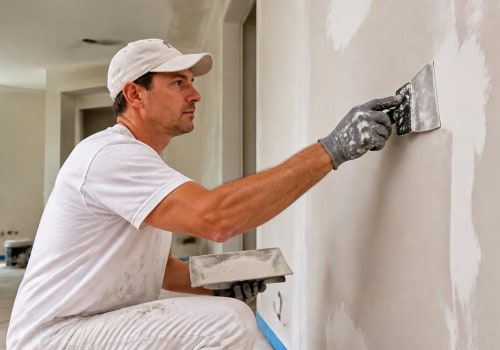
- Gloves: To protect their hands from harsh chemicals and paint, painters use durable gloves. These gloves not only prevent skin irritation but also provide a better grip on tools and materials.
- Coveralls: Wearing coveralls helps keep painters' clothing clean while also providing an additional layer of protection against paint splatters and spills. Many coveralls are made from breathable materials to ensure comfort during long hours of work.
- Hard Hats: In situations where there is a risk of falling objects or overhead work, hard hats are essential. They protect the head from potential injuries, ensuring that safety is never compromised.
This not only enhances their efficiency but also builds trust with clients who can feel secure knowing that their home is in capable hands.
Safety Protocols During Preparation and Painting Processes
When it comes to hiring a Buckeye residential painter, understanding the safety protocols they implement during both the preparation and painting processes is crucial. These measures not only protect the painters but also ensure the safety of your home and family.Preparation Safety Measures
- Site Assessment: Before any work begins, a thorough assessment of the site is conducted. This includes identifying potential hazards such as uneven surfaces, electrical outlets, and existing damage that could pose risks.
- Protective Gear: Painters are equipped with personal protective equipment (PPE) including gloves, masks, goggles, and coveralls to minimize exposure to harmful substances and prevent injuries.
- Area Containment: To prevent accidents, painters will often use drop cloths and tape to secure areas that are not being painted. This helps in avoiding spills and keeps the workspace organized.
Painting Safety Protocols
- Ventilation: Proper ventilation is essential when using paints and solvents.
Buckeye residential painters ensure that windows are open or fans are used to circulate air, reducing the risk of inhaling toxic fumes.
- Safe Ladder Practices: Painters are trained in safe ladder usage techniques. This includes maintaining three points of contact while climbing and ensuring ladders are stable before use.
- Material Handling: Painters follow strict guidelines for handling and storing materials. This includes keeping paint cans closed when not in use and properly disposing of hazardous waste.
Proper Handling and Storage of Paints and Chemicals
When it comes to ensuring safety in residential painting, Buckeye residential painters prioritize the proper handling and storage of paints and chemicals.This is crucial not only for the safety of the painters but also for the residents and the environment.
Safe Handling Practices
- Personal Protective Equipment (PPE): Painters are equipped with appropriate PPE, including gloves, masks, and goggles, to protect against harmful fumes and skin contact with chemicals.
- Proper Ventilation: Painters ensure that work areas are well-ventilated to minimize inhalation of toxic vapors. This may involve opening windows or using fans to circulate air.
- Training: Regular training sessions are conducted to educate painters on the safe handling of various paints and chemicals, including understanding Material Safety Data Sheets (MSDS).
Chemical Storage Guidelines
- Secure Containers: All paints and chemicals are stored in their original containers with labels intact. This helps in identifying contents and hazards quickly.
- Cool, Dry Locations: Buckeye residential painters store chemicals in cool, dry places away from direct sunlight and heat sources to prevent degradation or reactions.
- Access Control: Storage areas are secured to prevent unauthorized access, especially from children or pets, ensuring that hazardous materials are kept out of reach.
Ensuring Safe Work Environments: Site Assessment and Preparation
When it comes to hiring a Buckeye residential painter, understanding the importance of site assessment and preparation is crucial for ensuring a safe work environment.Professional painters prioritize safety by conducting thorough evaluations of the work site before any painting begins.
Site Assessment
- Identifying Hazards: A comprehensive site assessment involves identifying potential hazards such as uneven surfaces, electrical wires, or unstable scaffolding. This proactive approach helps mitigate risks that could lead to accidents.
- Evaluating Weather Conditions: Painters also consider weather conditions that may affect safety. For instance, high winds or rain can create unsafe working conditions, prompting painters to reschedule their work.
- Assessing Accessibility: The accessibility of the site is another critical factor. Painters must ensure that they can safely reach all areas that require painting without risking falls or injuries.
Preparation for Safety
- Clearing the Area: Before starting any project, a Buckeye residential painter will clear the area of any obstacles, debris, or furniture that could pose a tripping hazard.
- Using Protective Gear: Painters are equipped with personal protective equipment (PPE) such as helmets, gloves, and goggles to safeguard against potential injuries during the job.
- Setting Up Safety Barriers: In cases where there are elevated surfaces or hazardous areas, painters will set up safety barriers to prevent unauthorized access and ensure a secure working environment.
This commitment to safety reflects their professionalism and dedication to delivering high-quality painting services without compromising on safety standards.
Training and Certification for Safety Compliance
Ensuring safety in residential painting is paramount, and Buckeye residential painters prioritize this through rigorous training and certification programs. These programs are designed to equip painters with the necessary skills and knowledge to adhere to safety regulations and best practices.Importance of Training Programs
- Comprehensive Knowledge: Painters undergo extensive training that covers various aspects of safety, including the proper handling of materials, use of personal protective equipment (PPE), and awareness of hazardous substances.
- Hands-On Experience: Practical training sessions allow painters to apply safety protocols in real-world scenarios, ensuring they are well-prepared for any situation they may encounter on the job.
- Regulatory Compliance: Training programs are often aligned with local and federal safety regulations, ensuring that all practices meet legal standards.
Certification for Safety Compliance
- OSHA Certification: Many Buckeye residential painters obtain Occupational Safety and Health Administration (OSHA) certification, which demonstrates their commitment to maintaining a safe work environment.
- Specialized Certifications: Additional certifications may include lead-safe practices or specific training on the use of certain chemicals, further enhancing their expertise in safe painting techniques.
Emergency Procedures and First Aid Measures in Painting Jobs
When it comes to ensuring safety on the job, Buckeye residential painters prioritize having comprehensive emergency procedures and first aid measures in place. These protocols are essential not only for the well-being of the painters but also for the safety of homeowners and their properties.Emergency Procedures for Painters
Buckeye residential painters are trained to handle various emergencies that may arise during painting jobs.Some key procedures include:
- Fire Safety: Painters are educated on the proper handling and storage of flammable materials, such as paint thinners and solvents. They ensure that fire extinguishers are readily available and that all team members know how to use them.
- Electrical Hazards: Painters are trained to identify potential electrical hazards, especially when working near outlets or using electric tools. They follow strict guidelines to avoid accidents, including using insulated tools and wearing appropriate personal protective equipment (PPE).
- Fall Prevention: Working at heights is common in residential painting. Buckeye painters utilize safety harnesses, ladders with proper stability, and scaffolding to minimize the risk of falls.
First Aid Measures
In addition to emergency procedures, Buckeye residential painters are equipped with first aid training to address injuries that may occur on-site.Key first aid measures include:
- Basic First Aid Training: All team members undergo training in basic first aid techniques, enabling them to respond effectively to minor injuries such as cuts, scrapes, or allergic reactions.
- First Aid Kits: Each painting crew is supplied with a well-stocked first aid kit that includes bandages, antiseptics, and other essential supplies to treat common injuries immediately.
- Emergency Contacts: Painters maintain a list of emergency contacts, including local hospitals and poison control centers, ensuring quick access to professional medical help if needed.
Frequently Asked Questions About Safety Measures in Residential Painting
When considering hiring a Buckeye residential painter, many homeowners have questions regarding the safety measures these professionals implement. Understanding these practices can help ensure a safe and efficient painting process.- What safety gear do Buckeye residential painters use?
Professional painters typically wear personal protective equipment (PPE) such as gloves, masks, goggles, and coveralls. This gear protects them from harmful chemicals and dust that may be present during the painting process. - How do painters ensure proper ventilation?
Proper ventilation is crucial when using paints and solvents. Buckeye residential painters often use fans and open windows to circulate air, reducing the risk of inhaling fumes.They may also utilize air purifiers to maintain a safe environment.
- What precautions are taken with ladders and scaffolding?
Safety is paramount when working at heights. Painters are trained in ladder safety, ensuring they use stable ladders and scaffolding. They also follow guidelines for securing ladders and maintaining three points of contact while climbing. - Are there specific protocols for handling hazardous materials?
Yes, Buckeye residential painters are trained to handle hazardous materials according to OSHA regulations. They follow strict protocols for storage, usage, and disposal of paints and solvents to minimize risks. - How do painters protect the surrounding environment?
To prevent spills and damage, painters use drop cloths and masking tape.They also ensure that any waste materials are disposed of properly, adhering to local environmental regulations.
Conclusion: The Commitment to Safety by Buckeye Residential Painters
In conclusion, the commitment to safety by Buckeye residential painters is evident through their comprehensive approach to ensuring a secure working environment. Throughout this article, we have explored various safety measures that these professionals implement to protect both themselves and their clients. Firstly, personal protective equipment (PPE) plays a crucial role in their safety protocols. Painters are equipped with items such as gloves, masks, and goggles to shield against harmful chemicals and dust.This not only safeguards their health but also enhances the quality of their work. Moreover, proper training is a cornerstone of their safety practices. Buckeye residential painters undergo rigorous training programs that cover safe handling of materials, ladder safety, and emergency response procedures. This ensures that they are well-prepared to tackle any challenges that may arise during a project. Additionally, the use of eco-friendly materials is becoming increasingly popular among these painters. By opting for low-VOC (volatile organic compounds) paints and sustainable products, they minimize health risks associated with toxic fumes, creating a safer environment for both workers and homeowners. Furthermore, site safety assessments are routinely conducted before commencing any painting job.
These assessments help identify potential hazards and allow painters to implement necessary precautions, ensuring that every project starts on the right foot. Ultimately, the dedication of Buckeye residential painters to maintaining high safety standards not only protects their team but also fosters trust with clients. Homeowners can feel confident knowing that their chosen painters prioritize safety without compromising on quality or efficiency. This unwavering commitment to safety reflects the professionalism and integrity of Buckeye residential painters, making them a reliable choice for any painting project.