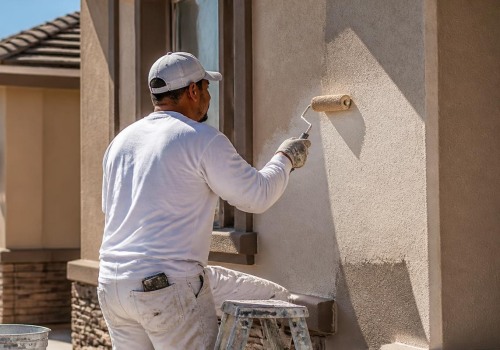
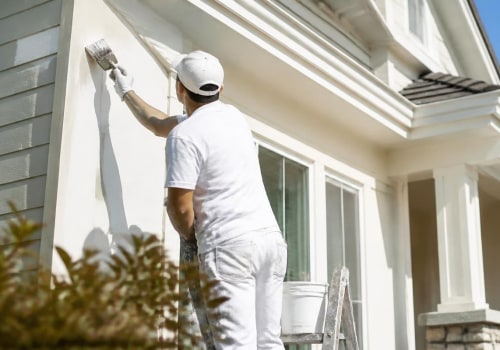
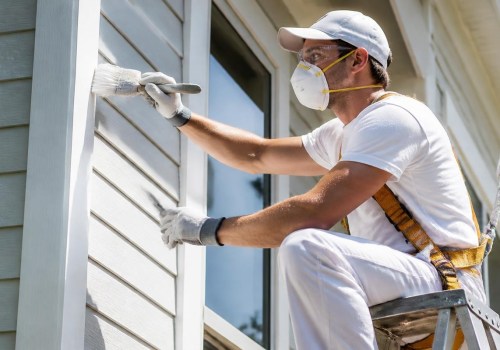
When hiring a Buckeye residential painter, understanding the importance of insurance cannot be overstated. Insurance serves as a safety net for both the homeowner and the contractor, protecting against potential liabilities that may arise during a painting project. Without proper insurance, homeowners risk facing significant financial burdens if accidents occur, such as property damage or injuries on the job site. This makes verifying a painter's insurance not just a formality, but a crucial step in ensuring peace of mind. Residential painter insurance typically includes general liability coverage, which protects against damages to your property, and workers' compensation, which covers any injuries sustained by the painter while working on your home.
In Buckeye, where local regulations may vary, it’s essential to confirm that your chosen painter carries adequate insurance to meet these requirements. Hiring an uninsured contractor can lead to costly repercussions, leaving you liable for any mishaps that occur during the project. Moreover, an insured Buckeye residential painter demonstrates professionalism and accountability. It reflects their commitment to quality work and customer satisfaction. As you embark on your journey to find the right painter for your home, prioritizing those who are fully insured will not only safeguard your investment but also enhance the overall experience of your home improvement project.
Types of Insurance Residential Painters Should Have
When hiring a Buckeye residential painter, it’s crucial to understand the types of insurance they should possess to protect both themselves and you as a homeowner.Here are the primary types of insurance that reputable residential painters should have:
- General Liability Insurance: This is perhaps the most important type of insurance for any contractor, including residential painters. It protects against claims of bodily injury or property damage that may occur during the painting process. For instance, if a painter accidentally spills paint on your carpet or causes damage to your home, this insurance will cover the costs associated with repairs.
- Workers' Compensation Insurance: This insurance is essential for protecting workers in case of an injury while on the job. If a painter falls off a ladder or suffers an injury due to equipment malfunction, workers' compensation will cover their medical expenses and lost wages.
This not only safeguards the painter but also protects you from potential lawsuits related to workplace injuries.
- Commercial Auto Insurance: If the painter uses a vehicle for transporting equipment and materials, commercial auto insurance is necessary. This coverage protects against accidents that may occur while driving for work purposes, ensuring that both the painter and any third parties are covered in case of an incident.
- Professional Liability Insurance: Also known as errors and omissions insurance, this type of coverage protects painters against claims of negligence or failure to deliver services as promised. If a homeowner feels that the work was not completed to standard, this insurance can help cover legal fees and settlements.
Understanding these types of insurance not only helps you verify the professionalism of your chosen painter but also protects your investment in your home.
Steps to Verify a Buckeye Residential Painter's Insurance
Verifying the insurance of a Buckeye residential painter is crucial for ensuring that you are protected from potential liabilities during your painting project. Here are the steps you can follow to check a painter's insurance:- Request Proof of Insurance: Start by asking the painter for a copy of their insurance certificate. This document should clearly outline the type of coverage they have, including general liability and workers' compensation.
- Contact the Insurance Provider: Once you have the certificate, reach out to the insurance company listed on the document. This step is vital to confirm that the policy is active and has not expired.
Be prepared to provide details such as the painter's name and policy number.
- Check Coverage Limits: Inquire about the coverage limits of the policy. Ensure that the limits are adequate for your project size and scope. A reputable Buckeye residential painter should have sufficient coverage to protect against any damages or accidents.
- Verify Workers' Compensation: If the painter has employees, it’s essential that they carry workers' compensation insurance. This protects you from liability if a worker is injured on your property.
Confirm this coverage with the insurer as well.
- Look for Additional Certifications: Some painters may have additional certifications or endorsements that enhance their credibility. Ask if they have any specialized training or certifications related to safety and insurance.
What to Do If a Painter Lacks Insurance
Hiring a Buckeye residential painter without insurance can expose homeowners to significant risks. If an uninsured painter gets injured on your property, you could be held liable for their medical expenses. Additionally, if any damage occurs during the painting process, you may have to cover the costs out of pocket, leading to unexpected financial burdens.Here are some potential consequences of hiring an uninsured painter:- Liability for Injuries: If a painter falls or injures themselves while working, you could face lawsuits and medical bills.
- Property Damage: Uninsured painters may not have the resources to cover damages they cause, leaving you responsible for repairs.
- Lack of Accountability: Without insurance, there’s little recourse if the work is subpar or if the painter fails to complete the job.
- Request Proof of Insurance: Always ask for proof of insurance before hiring.
A reputable painter will have no issue providing this documentation.
- Consider Licensed Contractors: Look for licensed contractors who are required to carry insurance. This adds a layer of protection for both parties.
- Get Multiple Quotes: Don’t settle for the first painter you find. Getting multiple quotes can help you find a qualified professional with proper insurance.
Frequently Asked Questions About Painter Insurance in Buckeye
When hiring a Buckeye residential painter, understanding their insurance coverage is crucial for protecting your home and finances.Here are some frequently asked questions regarding painter insurance in Buckeye:
- What types of insurance should a residential painter have?
A reputable Buckeye residential painter should carry both general liability insurance and workers' compensation insurance. General liability protects against damages to your property, while workers' compensation covers injuries that may occur on the job. - How can I verify a painter's insurance?
You can ask the painter for a copy of their insurance certificate. This document should include the name of the insurance company, policy number, and coverage dates. Additionally, you can contact the insurance provider directly to confirm the validity of the policy. - What happens if a painter damages my property?
If your Buckeye residential painter has general liability insurance, their policy should cover any damages incurred during the project.Ensure you have documented evidence of the damage and communicate with the painter about filing a claim.
- Are there any legal requirements for painters in Buckeye?
While specific licensing requirements may vary, it is essential for painters to have adequate insurance to operate legally and protect homeowners. Always check local regulations to ensure compliance. - Can I hold a painter liable if they are uninsured?
Yes, if a painter does not have insurance and causes damage or injury, you may be able to hold them personally liable. This could lead to costly legal battles, making it vital to hire insured professionals.
Conclusion: Ensuring Peace of Mind with Insured Painters
In conclusion, verifying the insurance of a Buckeye residential painter is not just a formality; it is a crucial step in safeguarding your home and investment.The importance of hiring an insured painter cannot be overstated. Insurance protects you from potential liabilities that may arise during the painting process, such as property damage or accidents involving workers. Without proper insurance, homeowners could face significant financial burdens if something goes wrong.When considering a Buckeye residential painter, take the time to ask for proof of insurance and ensure that it covers both liability and workers' compensation. This not only provides peace of mind but also demonstrates that the painter is professional and responsible.
A reputable painter will be more than willing to share their insurance details with you.Additionally, checking the insurance status of your chosen painter can help you avoid potential scams or unqualified contractors who may not have the necessary coverage. By doing your due diligence, you can ensure that you are hiring someone who values safety and professionalism.Ultimately, investing a little time in verifying insurance can save you from headaches down the road. As you move forward with your painting project, remember that an insured Buckeye residential painter not only enhances the quality of work but also protects your home and peace of mind.