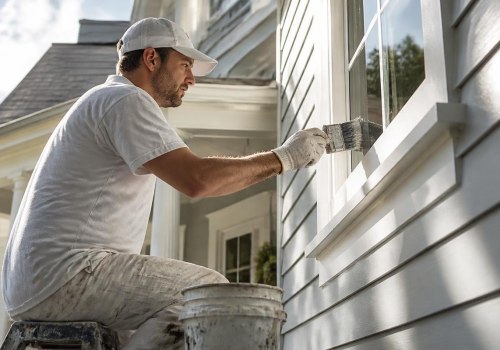
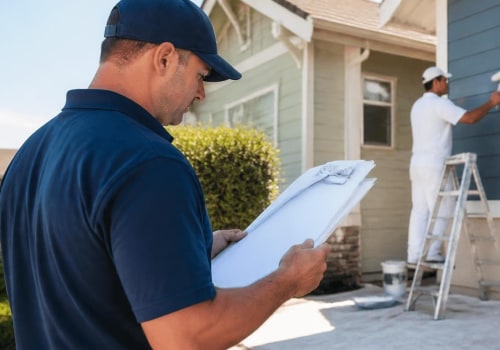
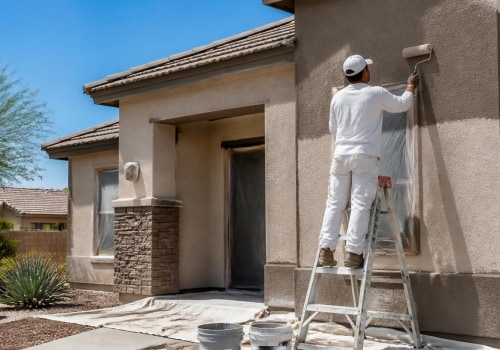
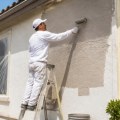
When it comes to enhancing the aesthetic appeal and value of your home, understanding the role of a Buckeye residential painter is crucial. These skilled professionals are not just tasked with applying paint; they play a vital role in transforming your living space through various residential painting services. From selecting the right color palette to ensuring a flawless finish, a residential painter brings expertise that can significantly impact the overall look and feel of your home. A Buckeye residential painter is responsible for a range of duties that go beyond mere brushwork. They assess the condition of surfaces, prepare them for painting, and apply various types of coatings, including interior and exterior paints, stains, and finishes.
Additionally, they often provide valuable advice on color selection and design trends, helping homeowners make informed decisions that align with their vision. This comprehensive approach ensures that every project not only meets but exceeds client expectations. Moreover, hiring a professional painter means you benefit from their knowledge of safety protocols and best practices. They are equipped to handle the complexities of different materials and surfaces, ensuring that the job is done efficiently and safely. By understanding the multifaceted role of a Buckeye residential painter, homeowners can appreciate the importance of hiring a qualified expert to achieve stunning results that enhance their home's beauty and longevity.
Assessing Your Painting Needs
When considering a Buckeye residential painter, the first step is to thoroughly assess your painting needs.This evaluation will help you communicate effectively with potential painters and ensure that your project runs smoothly.
Determine the Scope of Your Project
Start by identifying whether your project is focused on interior or exterior spaces. Each type has different requirements:- Interior Painting: Consider the rooms you want to paint, the current color scheme, and any specific finishes you desire, such as matte or glossy.
- Exterior Painting: Assess the condition of your home's exterior surfaces, including siding, trim, and doors. Weather resistance and durability are key factors here.
Evaluate Surface Types
The type of surfaces you plan to paint will significantly influence your choice of materials and techniques. Common surfaces include:- Drywall: Typically found in interiors, drywall requires specific preparation to ensure a smooth finish.
- Wood: Often used for trim and siding, wood may need sanding or priming before painting.
- Metal: If you're painting metal surfaces, such as railings or doors, ensure they are rust-free and properly prepped.
Selecting Desired Finishes
Your choice of finish can dramatically affect the look and feel of your space.Consider the following options:
- Satin Finish: Offers a soft sheen that is easy to clean, making it ideal for high-traffic areas.
- Eggshell Finish: Provides a subtle glow and is often used in living rooms and bedrooms.
- Flat Finish: Best for ceilings or low-traffic areas where touch-ups are less frequent.
Researching Local Buckeye Painters
Finding a reliable Buckeye residential painter can significantly impact the quality and longevity of your home’s paint job. To ensure you choose the right professional, consider the following strategies:- Online Research: Start by searching online for local painting contractors. Websites like Yelp, Angie's List, and Google Reviews provide valuable insights into customer experiences.
Look for painters with high ratings and positive feedback.
- Social Media and Community Groups: Platforms like Facebook often have local community groups where residents share recommendations. Post a query asking for suggestions for the best painters in Buckeye, and you may receive firsthand accounts from your neighbors.
- Check Local Directories: Utilize local business directories such as the Better Business Bureau (BBB) to find accredited painters. This can help you identify professionals who adhere to industry standards.
- Ask for Referrals: Word-of-mouth referrals from friends, family, or colleagues can lead you to trustworthy painters. Don’t hesitate to ask about their experiences and whether they would recommend their painter.
- Review Portfolios: Once you have a shortlist of potential Buckeye residential painters, review their portfolios.
Look for examples of their previous work to assess their style and quality.
- Get Multiple Quotes: Contact several painters to obtain quotes. This not only helps you understand the market rate but also gives you a chance to gauge their professionalism based on how they communicate and present their estimates.
Evaluating Painter Credentials and Experience
When hiring a Buckeye residential painter, evaluating their credentials and experience is crucial to ensure you receive high-quality work. Here are some key steps to help you assess potential painters:- Check Qualifications: Start by verifying the painter's qualifications.
Look for licenses and certifications that demonstrate their expertise in residential painting. In Ohio, painters should have a valid state license, which indicates they meet specific industry standards.
- Review Experience: Experience matters significantly in the painting industry. Ask potential painters how long they have been in business and what types of projects they specialize in. A painter with several years of experience in residential work is likely to have honed their skills and can handle various challenges that may arise during the job.
- Ask for References: Request references from previous clients.
A reputable Buckeye residential painter should be willing to provide a list of satisfied customers. Contact these references to inquire about their experiences, the quality of work, and whether the project was completed on time and within budget.
- Read Reviews: Online reviews can offer valuable insights into a painter's reputation. Check platforms like Google, Yelp, or Angie's List for customer feedback. Pay attention to both positive and negative reviews to get a balanced view of the painter's performance.
- Evaluate Portfolio: A professional painter should have a portfolio showcasing their previous work.
Review their portfolio to assess the quality of their craftsmanship and see if their style aligns with your vision for your home.
Getting Quotes and Estimates
When it comes to hiring a Buckeye residential painter, obtaining accurate quotes and estimates is a crucial step in the process. Here’s how to effectively gather and understand these estimates.How to Get Painting Estimates
Start by reaching out to multiple painters in your area. You can find potential candidates through online searches, local directories, or recommendations from friends and family.Once you have a list, contact each painter to schedule an on-site estimate. During this visit, the painter will assess your home and discuss your specific needs.
Understanding Quotes from Painters
When you receive quotes, they should include detailed information about the scope of work, materials to be used, labor costs, and any additional fees. Pay attention to the following:- Scope of Work: Ensure the quote outlines exactly what will be done, including surface preparation, number of coats, and cleanup.
- Materials: Check if the estimate specifies the type of paint and other materials.
Higher-quality paints may cost more but can provide better durability.
- Labor Costs: Understand how labor is priced—whether it's a flat rate or hourly—and how many painters will be working on your project.
Comparing Costs Effectively
Once you have several estimates, compare them carefully. Don’t just look at the total cost; consider the value offered by each painter. A lower price might not always mean a better deal if it compromises quality. Look for:- Experience: A painter with a solid reputation and years of experience may charge more but often delivers superior results.
- Reviews and References: Check online reviews or ask for references to gauge customer satisfaction.
- Warranty: Some painters offer warranties on their work, which can provide peace of mind regarding the quality of the job.
Questions to Ask Potential Painters
When hiring a Buckeye residential painter, asking the right questions can help you determine their qualifications and ensure that your project runs smoothly.Here are some essential questions to consider:
- What is your experience in residential painting?
Understanding the painter's background can give you insight into their expertise. Ask how long they have been in the business and if they specialize in residential projects. - Can you provide references or examples of past work?
Requesting references allows you to hear from previous clients about their experiences. Additionally, viewing a portfolio of completed projects can help you assess the quality of their work. - Are you licensed and insured?
A reputable Buckeye residential painter should have the necessary licenses and insurance to protect both themselves and you as the homeowner. This includes liability insurance and worker's compensation. - What type of paint do you recommend?
Inquire about the brands and types of paint they prefer to use.A knowledgeable painter will be able to explain the benefits of different products and help you choose the best option for your home.
- What is your estimated timeline for completion?
Understanding how long the project will take helps you plan accordingly. Ask about their availability and how they manage scheduling to avoid delays. - How do you handle unexpected issues?
Every painting project can encounter unforeseen challenges. A good painter should have a clear process for addressing issues that may arise during the job. - What is included in your quote?
Ensure that you understand what services are covered in the estimate, including preparation work, cleanup, and any additional costs that may arise.
Understanding Contracts and Agreements
When hiring a Buckeye residential painter, understanding the contracts and agreements involved is crucial for ensuring a smooth and successful project.A well-drafted contract protects both the homeowner and the painter, outlining expectations and responsibilities.
Key Elements to Include in a Painter Contract:
- Scope of Work: Clearly define what services will be provided, including surface preparation, number of coats, and types of paint to be used.
- Timeline: Specify the start date, estimated completion date, and any milestones to track progress.
- Payment Terms: Outline the total cost, payment schedule, and acceptable payment methods. Consider including a deposit requirement.
- Materials: List all materials to be used, including brands and colors, to avoid any misunderstandings later on.
- Warranties: Include any warranties on workmanship or materials, detailing what is covered and for how long.
- Liability Insurance: Ensure that the painter carries liability insurance to protect against potential damages during the project.
- Termination Clause: Define conditions under which either party can terminate the contract without penalty.
Understanding Agreements with Painters:
Before signing any contract, take the time to read through it thoroughly. Ask questions about any terms that are unclear. It’s also wise to consult with a legal professional if you have concerns about specific clauses.
A transparent agreement fosters trust and sets a positive tone for your working relationship with your Buckeye residential painter.In summary, a comprehensive contract not only clarifies expectations but also serves as a safeguard for both parties involved in the painting project. By ensuring all essential elements are included, you can proceed with confidence knowing that you are protected throughout the process.
Preparing Your Home for Painting Day
Preparing your home for a Buckeye residential painter is crucial to ensure a seamless painting experience. Here are some practical tips to help you get ready before the painters arrive:- Clear the Area: Move furniture, decorations, and any personal items away from the walls that will be painted. This not only protects your belongings but also gives the painters ample space to work.
- Cover Floors and Surfaces: Use drop cloths or plastic sheeting to cover floors and any remaining furniture.
This will prevent paint splatters and drips from damaging your surfaces.
- Remove Wall Hangings: Take down pictures, mirrors, and other wall decor. This allows the painters to access the walls easily and ensures that nothing gets damaged during the process.
- Prepare Your Walls: If there are any holes or imperfections in the walls, consider patching them up before the painters arrive. This can save time and ensure a smoother finish.
- Communicate with Your Painter: Discuss any specific areas of concern or preferences you have regarding the painting process. Clear communication can help avoid misunderstandings and ensure that your vision is realized.
- Plan for Pets and Children: If you have pets or young children, make arrangements for them to be in a safe area away from the painting zone.
This will keep them safe and allow the painters to work without interruptions.
Post-Painting Considerations and Maintenance
Once your home has been freshly painted by a Buckeye residential painter, it’s essential to take the right steps to ensure the longevity and appearance of your new paint job. Proper post-painting care can make a significant difference in maintaining the beauty of your walls.Post-Painting Care Tips
- Allow Proper Drying Time: Even if the paint feels dry to the touch, it’s crucial to allow adequate drying time as recommended by your painter. This can vary based on the type of paint used and environmental conditions.
- Avoid Heavy Cleaning: For at least two weeks after painting, avoid scrubbing or using harsh cleaners on the painted surfaces.
Gentle cleaning with a damp cloth is advisable.
- Ventilation: Keep the area well-ventilated during the drying process to help eliminate any lingering odors and promote even drying.
Maintaining Painted Surfaces
To keep your painted surfaces looking fresh, consider these maintenance tips:- Regular Dusting: Dust surfaces regularly with a soft cloth or duster to prevent dirt buildup that can dull the paint finish.
- Touch-Up Paint: Keep some leftover paint for touch-ups. Address any scuffs or scratches promptly to prevent further damage.
- Avoid Direct Sunlight: If possible, use curtains or blinds to protect painted surfaces from direct sunlight, which can fade colors over time.
Addressing Issues
If you notice any issues after painting, such as peeling or bubbling, it’s important to address them quickly. Here are steps you can take:- Identify the Cause: Determine if moisture, improper application, or another factor caused the issue.
- Consult Your Painter: Reach out to your Buckeye residential painter for advice on how to resolve specific problems. They may offer solutions or warranty services.
- Document Issues: Take photos and notes of any problems for reference when discussing with your painter.
Frequently Asked Questions About Hiring a Residential Painter in Buckeye
When considering hiring a Buckeye residential painter, homeowners often have several questions that can help them make informed decisions.Below are some frequently asked questions that address common concerns.
What should I look for in a residential painter?
When hiring a Buckeye residential painter, consider the following:- Experience: Look for painters with a proven track record in residential projects.
- References: Ask for references or check online reviews to gauge customer satisfaction.
- Licensing and Insurance: Ensure the painter is licensed and carries liability insurance to protect against accidents.
- Portfolio: Review their previous work to see if their style aligns with your vision.
How do I get an accurate estimate?
To obtain an accurate estimate from a Buckeye residential painter, follow these steps:- Prepare your space: Clear the area to allow the painter to assess the project easily.
- Discuss your vision: Clearly communicate your color choices, finishes, and any specific requirements.
- Request a detailed quote: Ensure the estimate includes labor, materials, and any additional costs.
What is the typical timeline for a painting project?
The timeline for completing a painting project can vary based on several factors, including:- The size of the home or area being painted.
- The complexity of the job, such as multiple colors or intricate designs.
- The weather conditions, which can affect drying times.
Are there any prep steps I should take before the painter arrives?
Yes, preparing your home can help ensure a smooth process. Consider these prep steps:- Move furniture: Relocate furniture away from walls to give painters easy access.
- Clear wall decorations: Remove pictures, mirrors, and other wall hangings.
- Ensure accessibility: Make sure that painters can easily access all areas that need painting.