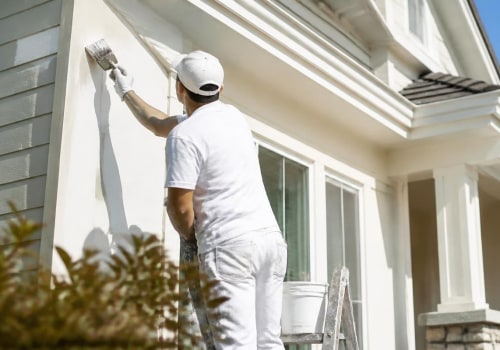
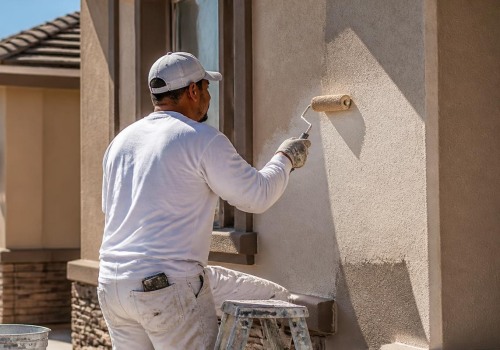
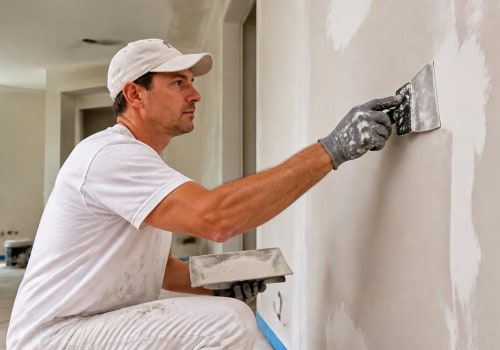
When it comes to residential painting, the final result is often judged not just by the quality of the paint job but also by the thoroughness of the clean-up process. For homeowners in Buckeye, hiring a Buckeye residential painter means entrusting them with not only transforming their living spaces but also ensuring that the aftermath of the project is handled with care and professionalism. Clean-up is a critical aspect that can significantly impact the overall satisfaction of clients. A meticulous clean-up process reflects the commitment of a Buckeye residential painter to delivering exceptional service. After all, a freshly painted room can quickly lose its appeal if it is left in disarray, with paint splatters on floors and tools scattered about.
Painters who prioritize clean-up demonstrate respect for the homeowner's space and time, ensuring that they leave behind a tidy environment that allows clients to enjoy their newly painted rooms immediately. Moreover, effective clean-up practices help maintain the integrity of the home. Residual paint and debris can lead to long-term damage if not addressed properly. By employing systematic clean-up methods, Buckeye residential painters not only enhance the aesthetic appeal of a home but also protect it from potential issues down the line. This attention to detail is what sets professional painters apart and underscores the importance of choosing a reliable service provider for your residential painting needs.
Initial Preparation for Clean-Up
Before a Buckeye residential painter begins the clean-up process, they take several crucial steps to ensure that the area remains tidy and that the client's property is protected.This initial preparation is vital for a smooth transition from painting to clean-up.One of the first actions taken by professional painters is to protect furniture and other belongings. This often involves:
- Covering Furniture: Using drop cloths or plastic sheeting to cover sofas, chairs, and tables prevents paint splatters and dust accumulation.
- Floor Protection: Painters typically lay down protective coverings such as canvas tarps or plastic sheets on floors to safeguard against spills and drips.
- Removing Small Items: Any small decor items, knick-knacks, or fragile objects are carefully removed from the work area to avoid damage.
- Identifying Paint Areas: Clearly marking areas where paint has been applied helps in determining where clean-up efforts should be concentrated.
- Organizing Tools: Keeping brushes, rollers, and other tools organized not only aids in efficiency but also minimizes mess during the clean-up phase.
Tools and Materials Used for Clean-Up
When it comes to the clean-up process, Buckeye residential painters utilize a variety of specialized tools and materials to ensure that every job is completed to the highest standard.The right equipment not only enhances efficiency but also guarantees that the work area is left spotless.
- Drop Cloths: These are essential for protecting floors and furniture from paint splatters and spills. Buckeye painters often use canvas or plastic drop cloths, which are durable and easy to clean.
- Paint Scrapers: After painting, any excess paint on surfaces needs to be removed. Painters use scrapers to gently lift dried paint from windowsills, trim, and other areas without damaging the underlying surfaces.
- Rags and Paper Towels: For quick clean-ups, painters rely on absorbent rags and paper towels. These materials are perfect for wiping down brushes, cleaning spills, and ensuring that tools are kept in good condition.
- Solvents: Depending on the type of paint used, solvents such as mineral spirits or paint thinner may be necessary for cleaning brushes and rollers.
Buckeye residential painters are knowledgeable about which solvents to use for different types of paint.
- Vacuum Cleaners: A shop vacuum is often employed to remove dust and debris from the work area. This is particularly important after sanding or preparing surfaces for painting.
- Trash Bags: Keeping the work area tidy is crucial. Buckeye painters always have heavy-duty trash bags on hand to dispose of used materials, empty paint cans, and other waste efficiently.
Step-by-Step Clean-Up Process After Painting
After completing a painting job, Buckeye residential painters prioritize a thorough clean-up process to ensure that the home is left in pristine condition.This step-by-step clean-up not only enhances the overall appearance but also protects the homeowner's property.
- Removing Painter's Tape: The first step involves carefully removing any painter's tape used to protect edges and surfaces. This is done slowly to avoid peeling off any paint.
- Cleaning Brushes and Rollers: All painting tools, including brushes and rollers, are cleaned immediately after use. Buckeye residential painters typically use warm soapy water for latex paints and mineral spirits for oil-based paints to ensure that tools remain in good condition for future jobs.
- Disposing of Waste Properly: Painters gather all leftover paint, empty cans, and other waste materials. They follow local regulations for disposing of hazardous materials, ensuring that everything is disposed of responsibly.
- Vacuuming and Dusting: Once the painting is complete, the area is vacuumed to remove dust and debris.
This includes floors, furniture, and any surfaces that may have collected dust during the painting process.
- Final Touch-Ups: After cleaning, a final inspection is conducted to identify any areas that may need touch-ups. This ensures that every detail meets the high standards expected from a Buckeye residential painter.
- Restoring Furniture and Decor: Finally, furniture and decor items are carefully returned to their original positions. Painters take care to avoid scratching or damaging surfaces during this process.
Dealing with Paint Spills and Stains
When it comes to painting, accidents can happen, and paint spills and stains are among the most common issues that Buckeye residential painters face. However, skilled painters are well-prepared to handle these situations effectively, ensuring that the final result is not only beautiful but also clean.Immediate Response to Paint Spills
- Act Quickly: The first step in dealing with a paint spill is to act quickly.
The sooner the spill is addressed, the easier it will be to clean up.
- Use Absorbent Materials: Painters often use absorbent materials like rags or paper towels to blot up excess paint. This prevents the paint from spreading further.
- Water-Based Paints: For water-based paints, simply using warm soapy water can effectively remove spills from surfaces.
- Solvent for Oil-Based Paints: In cases of oil-based paints, a solvent such as mineral spirits may be necessary to lift the paint from surfaces.
Removing Paint Stains
If a stain remains after the initial clean-up, Buckeye residential painters have several techniques at their disposal:
- Scraping: For dried paint stains on hard surfaces, gentle scraping with a putty knife can help remove the bulk of the stain without damaging the underlying surface.
- Sanding: In some cases, light sanding may be required to eliminate stubborn stains, especially on wood surfaces.
- Specialized Cleaners: Professional painters often carry specialized cleaners designed for specific types of paint and surfaces, ensuring effective stain removal.
Preventive Measures
A proactive approach can significantly reduce the likelihood of spills and stains:
- Drop Cloths: Using drop cloths or plastic sheeting can protect floors and furniture from accidental spills during painting.
- Tape Off Areas: Painters often tape off edges and trim to prevent paint from getting onto unwanted areas.
Final Inspection and Client Walk-Through
After the completion of a painting project, Buckeye residential painters prioritize a thorough final inspection and client walk-through to ensure that every detail meets the client's expectations. This step is crucial not only for assessing the quality of the paint job but also for confirming that the clean-up process has been executed to perfection.Final Inspection Process
- The lead painter typically conducts a detailed inspection of all painted surfaces, checking for any imperfections such as drips, missed spots, or uneven coverage.
- During this inspection, the team also evaluates the overall cleanliness of the work area, ensuring that all tools and materials have been properly stored or removed.
- Any issues identified during this inspection are promptly addressed before the client arrives for their walk-through.
Client Walk-Through
The client walk-through is an essential part of the process. Here’s how it typically unfolds:
- The Buckeye residential painter invites the client to tour the freshly painted areas, encouraging them to inspect the work closely.
- Clients are given the opportunity to voice any concerns or preferences regarding touch-ups or adjustments.
- The painter explains the materials used and provides care instructions to maintain the quality of the paint job.
By actively involving clients in the final inspection and walk-through, Buckeye residential painters demonstrate their commitment to delivering high-quality results and exceptional service. Ultimately, this attention to detail ensures that clients feel valued and satisfied with both their new paint job and the overall experience.
Frequently Asked Questions About Painting Clean-Up
When hiring a Buckeye residential painter, many homeowners have questions about the clean-up process after the job is completed. Understanding what to expect can help alleviate concerns and ensure a smooth transition back to your daily routine.- What does the clean-up process involve?
After completing the painting job, professional painters will typically remove all painting materials, including drop cloths, tape, and any leftover paint. They will also clean brushes and rollers to prevent paint from drying on them. - Will my home be left in a mess?
A reputable Buckeye residential painter prioritizes cleanliness.They will take care to minimize mess during the painting process and ensure that all areas are thoroughly cleaned before leaving your home.
- Do I need to do anything before the painters arrive?
It’s helpful to clear the area of any furniture or personal items that could obstruct the painters’ work. However, your painter should provide guidance on what is necessary for a smooth clean-up. - How long does clean-up take?
The duration of the clean-up process can vary depending on the size of the job and the number of rooms painted. Generally, it can take anywhere from 30 minutes to a couple of hours. - What if I find paint spills after they leave?
Most professional painters will offer a satisfaction guarantee. If you notice any spills or areas that require additional attention, contact your Buckeye residential painter promptly to discuss solutions.
Conclusion: The Value of Professional Clean-Up by Buckeye Residential Painters
In conclusion, the role of Buckeye residential painters extends far beyond just applying a fresh coat of paint.One of the most significant aspects of their service is the professional clean-up that follows a painting job. This clean-up process not only ensures that your home looks immaculate but also protects your property and enhances the longevity of the paint job.
Summary of Key Points:
- Thorough Preparation: Before starting any painting project, Buckeye residential painters take the time to prepare the area, which includes covering furniture and flooring to prevent any damage.
- Efficient Clean-Up: After completing the painting, these professionals meticulously clean up any spills, dust, or debris, ensuring that your home is left in pristine condition.
- Safety and Health Considerations: Professional painters are trained to handle paint and solvents safely, minimizing health risks associated with fumes and chemical exposure.
- Time-Saving: By hiring a Buckeye residential painter, homeowners save valuable time and effort that would otherwise be spent on clean-up tasks.