When it comes to hiring a buckeye residential painter, understanding the local painting regulations is crucial for homeowners and contractors alike. Buckeye, Arizona, has specific guidelines that govern the painting industry, ensuring that all work meets safety standards and aesthetic expectations. These regulations not only protect the integrity of residential properties but also promote a professional standard among painters operating in the area. In Buckeye, painters are required to adhere to certain licensing requirements, which can vary based on the scope of work being performed. For instance, residential painters must obtain a valid contractor's license, which involves passing examinations and demonstrating knowledge of local building codes and safety practices.
This ensures that homeowners can trust that their chosen buckeye residential painter is qualified and compliant with state laws. Moreover, understanding these regulations helps homeowners make informed decisions when selecting a painter. It is essential to verify that any contractor you consider has the necessary licenses and insurance to protect both parties during the project. By familiarizing yourself with the local painting regulations, you can ensure that your home not only looks great but is also in compliance with Buckeye's legal standards.
Overview of Licensing Requirements for Painters in Buckeye
In Buckeye, Arizona, painters must adhere to specific licensing requirements to operate legally. These regulations ensure that all residential painters maintain a standard of quality and safety in their work.Understanding these requirements is crucial for anyone looking to hire a Buckeye residential painter or for painters seeking to establish their business in the area.The primary licensing authority for painters in Buckeye falls under the Arizona Registrar of Contractors (ROC). Here are the key steps and requirements:
- Obtain a Contractor's License: Painters must apply for a contractor's license through the ROC. This involves submitting an application, paying a fee, and providing proof of experience in the painting trade.
- Pass Required Exams: Applicants are required to pass both a business management exam and a trade exam specific to painting. This ensures that they have the necessary knowledge to operate safely and effectively.
- Provide Proof of Insurance: Painters must carry liability insurance and, if applicable, workers' compensation insurance.
This protects both the painter and the homeowner from potential damages or injuries that may occur during a project.
- Background Check: A background check is typically required as part of the licensing process. This helps maintain a standard of trustworthiness among licensed contractors.
Insurance and Bonding for Residential Painters
When hiring a Buckeye residential painter, understanding the importance of insurance and bonding is crucial for both homeowners and painters.These protections not only safeguard the painter's business but also provide peace of mind to clients.
Insurance Requirements for Painters
A reputable Buckeye residential painter should carry several types of insurance:- Liability Insurance: This is perhaps the most critical type of coverage. It protects against damages that may occur during the painting process, such as accidental damage to the homeowner's property or injuries sustained by third parties. Without this insurance, painters could be held personally liable for costly repairs or medical bills.
- Workers' Compensation: If a painter employs others, workers' compensation insurance is essential. This coverage protects employees in case of work-related injuries, ensuring they receive medical care and compensation for lost wages.
- Commercial Auto Insurance: For painters who use vehicles to transport equipment and materials, commercial auto insurance is necessary.
This coverage protects against accidents that may occur while driving for business purposes.
The Importance of Bonding
Bonding is another critical aspect that homeowners should consider when hiring a residential painter. A bonded painter has secured a bond through a surety company, which acts as a guarantee that the job will be completed according to the contract terms. If the painter fails to meet these obligations, the homeowner can file a claim against the bond to recover losses.In summary, ensuring that your Buckeye residential painter has adequate insurance and bonding is vital for protecting both parties involved. It not only mitigates risks but also fosters trust and professionalism in the painting industry.Health and Safety Regulations for Painters
When it comes to hiring a buckeye residential painter, understanding the health and safety regulations that govern their work is crucial.Painters are often exposed to various hazardous materials and conditions, making adherence to safety standards essential for both their well-being and that of the residents.
Health Regulations for Painters
- Painters must be aware of the potential health risks associated with exposure to solvents, paints, and other chemicals. Proper ventilation is critical to minimize inhalation risks.
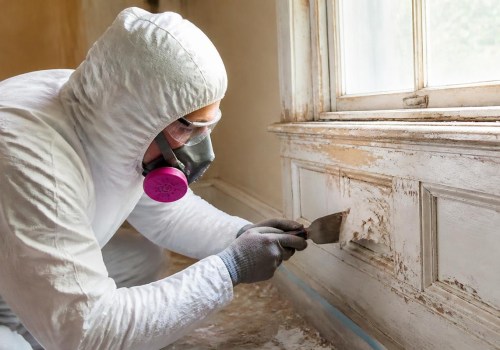
- Personal Protective Equipment (PPE) such as gloves, masks, and goggles should be worn to protect against skin contact and respiratory issues.
- Regular training on handling hazardous materials is necessary to ensure compliance with local health regulations.
Safety Standards in Painting
- According to OSHA (Occupational Safety and Health Administration) regulations, painters must follow specific guidelines to maintain a safe working environment. This includes ensuring that ladders and scaffolding are stable and properly used.
- Employers are required to provide safety data sheets (SDS) for all chemicals used on-site, allowing painters to understand the risks associated with each product.
- Emergency procedures should be established in case of accidents or exposure incidents, including access to first aid kits and emergency contact information.
By prioritizing health and safety, buckeye residential painters can protect themselves while delivering quality service to homeowners.
Environmental Regulations Affecting Painters in Buckeye
In Buckeye, residential painters must navigate a variety of environmental regulations that are designed to protect both the community and the environment. One of the most significant aspects of these regulations is the limitation on volatile organic compounds (VOCs). VOCs are chemicals found in many paints and solvents that can evaporate into the air, contributing to air pollution and potential health risks.The state of Arizona has established specific VOCs limits for various types of paints, which painters in Buckeye must adhere to. These limits vary depending on the type of paint being used—latex paints typically have lower VOC limits compared to oil-based paints.Painters should always check the product labels and ensure compliance with local regulations to avoid penalties and promote a healthier living environment.In addition to VOC limits, Buckeye encourages eco-friendly painting practices. This includes using low-VOC or zero-VOC paints, which not only comply with regulations but also minimize harmful emissions. Painters can further enhance their sustainability efforts by:
- Choosing paints with environmentally friendly certifications, such as Green Seal or EcoLogo.
- Implementing proper disposal methods for leftover paint and materials to prevent environmental contamination.
- Utilizing tools and techniques that reduce waste, such as precise measuring and application methods.
Common Violations and How to Avoid Them
When operating as a buckeye residential painter, understanding the common legal violations that can arise is crucial for maintaining compliance and protecting your business.Here are some frequent pitfalls and tips on how to avoid them:
- Lack of Licensing: Many states, including Arizona, require painters to hold specific licenses. Ensure you have the appropriate state and local licenses before starting any project.
- Improper Waste Disposal: Painters often deal with hazardous materials. Failing to dispose of paint and solvents properly can lead to significant fines. Always follow local regulations regarding hazardous waste disposal.
- Ignoring Safety Regulations: Compliance with OSHA (Occupational Safety and Health Administration) standards is essential.
Use proper safety gear and ensure your worksite is safe to avoid accidents and potential legal issues.
- Contractual Violations: Clearly outline the terms of your contracts, including payment schedules and project timelines. Ambiguities can lead to disputes, so ensure all agreements are documented.
- Neglecting Insurance Requirements: Operating without liability insurance can expose you to financial risks. Make sure you have adequate coverage to protect yourself against potential claims.
- Stay Informed: Regularly review local regulations and industry standards to ensure compliance.
- Invest in Training: Provide ongoing training for yourself and your employees on safety practices and legal requirements.
- Consult Professionals: When in doubt, consult with legal professionals or industry experts to clarify regulations that may affect your work.
Frequently Asked Questions About Painting Regulations in Buckeye
Understanding the painting regulations in Buckeye is crucial for both professional painters and homeowners. Here are some frequently asked questions that can help clarify these regulations:- What licenses do painters need in Buckeye?
In Buckeye, residential painters are typically required to have a valid contractor's license.This ensures that they meet the necessary standards for quality and safety.
- Are there specific environmental regulations for painting?
Yes, painters must comply with local environmental regulations, which may include proper disposal of paint materials and adherence to guidelines regarding volatile organic compounds (VOCs). - Do I need a permit for residential painting?
Generally, minor interior painting does not require a permit. However, exterior painting may require a permit if it involves significant changes to the structure or if the property is in a historic district. - What are the penalties for non-compliance?
Painters who fail to comply with local regulations may face fines, legal action, or revocation of their license. Homeowners should ensure their chosen painter is compliant to avoid potential issues. - How can I verify a painter's compliance?
Homeowners can check a painter's licensing status through the Arizona Registrar of Contractors website. It's also advisable to ask for references and proof of insurance.
Ensuring compliance not only protects your investment but also contributes to the overall safety and aesthetics of the community.
Conclusion: Navigating the Regulatory Landscape for Painters in Buckeye
In conclusion, understanding the regulatory landscape for buckeye residential painters is crucial for both compliance and success in the industry. Throughout this article, we have explored various regulations that impact painters operating in Buckeye, emphasizing the importance of adhering to local laws and guidelines.First and foremost, obtaining the necessary licenses and permits is a fundamental step for any residential painter. This not only legitimizes your business but also builds trust with clients who expect professionalism and accountability. Additionally, being aware of zoning laws can prevent potential legal issues that may arise from working in restricted areas.Moreover, safety regulations cannot be overlooked.Painters must comply with Occupational Safety and Health Administration (OSHA) standards to ensure a safe working environment. This includes proper handling of hazardous materials and maintaining safety protocols on job sites.Furthermore, understanding environmental regulations is essential, especially when it comes to paint disposal and emissions. Compliance with these regulations not only protects the environment but also enhances your reputation as a responsible contractor.In summary, navigating the regulatory landscape as a buckeye residential painter requires diligence and commitment. By staying informed about local laws, obtaining necessary permits, and adhering to safety and environmental standards, painters can operate successfully while minimizing risks.
Ultimately, this knowledge not only safeguards your business but also contributes to the overall quality of service provided to homeowners in Buckeye.