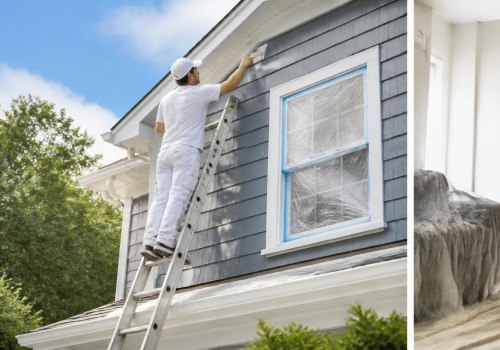
When you decide to enhance your home’s aesthetic appeal, understanding the painting process is crucial, especially when working with a Buckeye residential painter. This journey begins long before the first brushstroke hits the wall. From initial consultations to the final touches, each step is designed to ensure that your vision is realized while maintaining high standards of quality and professionalism. Initially, your residential painter will conduct a thorough assessment of your space. This includes discussing color choices, finishes, and any specific requirements you may have.
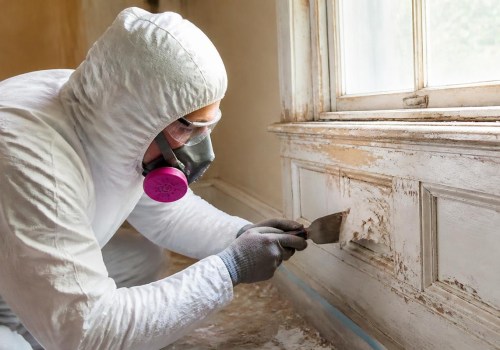
Expect to engage in a collaborative dialogue where your ideas are valued and incorporated into the plan. This phase is essential as it sets the foundation for the entire project, ensuring that both you and your painter are aligned on expectations. Once the planning is complete, preparation begins. This stage often involves moving furniture, covering floors, and repairing any wall imperfections. A skilled Buckeye painter understands that meticulous preparation is key to achieving a flawless finish.
As the painting progresses, you can expect regular updates and open communication about timelines and any adjustments that may arise. By understanding these stages of the painting process, you can feel confident and excited about transforming your home with the help of a professional.
Initial Consultation and Estimate
When hiring a Buckeye residential painter, the initial consultation is a crucial first step that sets the tone for your entire painting project. This meeting allows you to discuss your vision, preferences, and any specific requirements you may have.What to Expect During the Initial Consultation
- Discussion of Your Project: The painter will ask about the areas you want to paint, the colors you’re considering, and any particular styles or finishes you prefer.
- Assessment of the Space: A thorough evaluation of the surfaces to be painted will be conducted. This includes checking for any repairs needed, such as patching holes or sanding rough spots.
- Timeline and Scheduling: You’ll discuss when you’d like the project to start and how long it might take.
A good Buckeye residential painter will provide a realistic timeline based on their current workload.
Understanding the Painting Estimate
After discussing your project, the painter will provide an estimate. This estimate typically includes:
- Labor Costs: The cost associated with the time and effort required to complete your painting project.
- Materials: An itemized list of all materials needed, including paint, primer, brushes, and other supplies.
- Additional Services: If any prep work or repairs are necessary before painting, these will be included in the estimate as well.
Preparing Your Home for Painting
Preparing your home for painting is a crucial step that can significantly impact the outcome of your project.When working with a Buckeye residential painter, proper preparation ensures that the paint adheres well and lasts longer, providing you with a beautiful finish.Here are some essential steps to take when getting your home ready for a fresh coat of paint:
- Clear the Area: Start by moving furniture and decor away from the walls. This not only protects your belongings but also gives the painter ample space to work. If possible, relocate larger items to another room.
- Cover Surfaces: Use drop cloths or plastic sheeting to cover floors and any remaining furniture. This will safeguard against paint splatters and drips, ensuring that your home remains clean during the process.
- Remove Wall Hangings: Take down pictures, mirrors, and any wall-mounted decor.
This allows for a seamless painting experience and prevents damage to your items.
- Prepare Walls: Inspect your walls for any imperfections such as holes or cracks. Filling these with spackle or caulk will create a smooth surface for painting. Your Buckeye residential painter can assist with this if needed.
- Clean Surfaces: Dust and dirt can hinder paint adhesion. Wipe down walls, baseboards, and trim with a damp cloth to ensure they are clean before painting begins.
Remember, investing time in preparation pays off in the long run, resulting in a stunning transformation of your space.
The Painting Process: Step-by-Step
When you hire a Buckeye residential painter, understanding the painting process can help set your expectations and ensure a smooth experience. Here’s a step-by-step breakdown of what to expect:- Initial Consultation: The process begins with an initial consultation where the painter assesses your space, discusses your vision, and provides an estimate. This is the time to ask questions about techniques and materials.
- Preparation: Proper preparation is crucial for a successful paint job. Your Buckeye residential painter will move furniture, cover floors, and tape off edges to protect surfaces.
They may also fill in holes or cracks to ensure a smooth finish.
- Priming: Depending on the surface and color changes, priming may be necessary. This step helps the paint adhere better and enhances the final color's vibrancy.
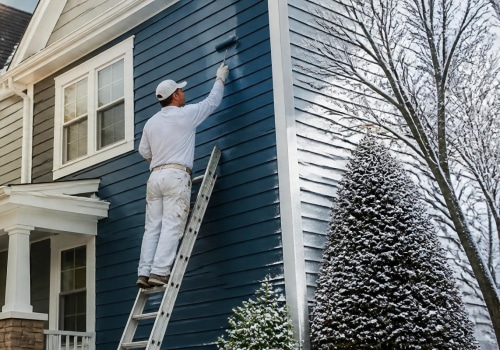
- Painting: The actual painting process involves applying the chosen paint using various techniques. Professional painters often use brushes, rollers, or sprayers, depending on the area being painted and the desired finish. A Buckeye residential painter will typically apply multiple coats for even coverage.
- Drying Time: After each coat, adequate drying time is essential.
Your painter will monitor this to ensure optimal results before applying additional layers.
- Finishing Touches: Once the final coat is dry, your painter will remove tape, touch up any missed spots, and clean up the workspace. This attention to detail ensures that your home looks pristine.
Types of Paint and Finishes Used
When working with a Buckeye residential painter, understanding the types of paint and finishes available can significantly influence the outcome of your project. Each option offers unique characteristics that cater to different needs and preferences.Types of Paint
- Latex Paint: This water-based paint is popular for its easy cleanup and quick drying time.
It’s ideal for interior walls and ceilings, providing a durable finish that resists fading.
- Oil-Based Paint: Known for its smooth finish and durability, oil-based paint is often used for trim and cabinetry. However, it requires mineral spirits for cleanup and has a longer drying time.
- Acrylic Paint: A versatile option that combines the benefits of both latex and oil-based paints, acrylic paint is suitable for various surfaces, including wood, metal, and masonry.
Paint Finishes
- Matte Finish: This non-reflective finish is excellent for hiding imperfections on walls but may not be as washable as other finishes.
- Satin Finish: Offering a soft sheen, satin finishes are easy to clean and are often used in high-traffic areas like hallways and kitchens.
- Eggshell Finish: A balance between matte and satin, eggshell finishes provide a subtle sheen while being more durable than matte options.
- Gloss Finish: High-gloss finishes are highly reflective and extremely durable, making them perfect for trim, doors, and areas that require frequent cleaning.
Timeline for Your Painting Project
When planning your painting project with a Buckeye residential painter, understanding the timeline is crucial for setting realistic expectations. The duration of a painting project can vary significantly based on several factors, including the size of the area to be painted, the type of paint used, and the complexity of the job.Typical Timeline
On average, a standard interior painting project can take anywhere from one to five days.Here’s a breakdown of what you might expect:
- Preparation: 1-2 days
This includes moving furniture, covering floors, and repairing any wall imperfections. - Painting: 1-3 days
Depending on the number of coats required and drying times, this phase can vary. - Cleanup: 1 day
After painting, your Buckeye residential painter will clean up the workspace and return everything to its original place.
Factors Influencing the Timeline
Several factors can influence how long your painting project will take:- Size of the Area: Larger spaces naturally require more time.
- Type of Paint: Some paints may require longer drying times or multiple coats.
- Weather Conditions: For exterior projects, weather can significantly impact scheduling.
- Complexity of the Job: Intricate designs or multiple colors can extend the timeline.
Post-Painting Cleanup and Inspection
Once the painting is completed, the role of your Buckeye residential painter shifts from applying paint to ensuring that your space is left in pristine condition. This phase is crucial as it not only reflects the professionalism of the painter but also impacts your overall satisfaction with the project.Post-Painting Cleanup
The cleanup process typically involves several key steps:- Removing Drop Cloths and Tape: Your painter will carefully remove any protective coverings used during the painting process, ensuring that no paint residue is left behind.
- Cleaning Tools and Equipment: Brushes, rollers, and other tools will be cleaned thoroughly to prevent any paint from drying on them, which can affect their future use.
- Vacuuming and Dusting: A thorough vacuuming of the area will be conducted to remove any dust or debris that may have accumulated during the painting.
This step ensures that your newly painted surfaces are not marred by leftover particles.
Final Inspection
After cleanup, a final inspection is performed. This is an essential part of the process where you and your Buckeye residential painter can:- Review the Work: Walk through each room to assess the quality of the paint job. Look for even coverage, clean lines, and any areas that may need touch-ups.
- Discuss Any Concerns: If you notice any imperfections or have questions about the work done, this is the time to address them. A reputable painter will be open to feedback and willing to make necessary adjustments.
- Confirm Satisfaction: The goal is to ensure you are completely satisfied with the results.
Your painter should take the time to confirm that all aspects of the job meet your expectations.
Frequently Asked Questions About Residential Painting in Buckeye
When considering a Buckeye residential painter, homeowners often have several questions regarding the painting process. Here are some frequently asked questions that can help clarify what to expect:- How long will the painting process take?The duration of the painting project can vary based on the size of your home and the complexity of the job. Typically, a standard residential painting project can take anywhere from a few days to a week.
Your Buckeye residential painter will provide a timeline during the initial consultation.
- What preparations should I make before the painters arrive?It’s advisable to clear the areas that will be painted. Move furniture away from walls, remove wall hangings, and ensure pets are secured in a safe area. This allows the painters to work efficiently and minimizes disruptions.
- Will I need to leave my home during the painting?While it’s not always necessary to vacate your home, it may be more comfortable for you, especially if you are sensitive to paint fumes. Discuss this with your Buckeye residential painter to determine what’s best for your situation.
- What type of paint will be used?Your painter will typically use high-quality paints that are suitable for your specific needs, whether interior or exterior.
They can also provide options based on durability, finish, and color preferences.
- How do I choose colors?Many painters offer color consultation services or can recommend popular color schemes based on current trends and your home’s architecture. It’s helpful to look at samples in different lighting conditions before making a final decision.
Conclusion: Your Journey with a Buckeye Residential Painter
In conclusion, embarking on a painting project with a Buckeye residential painter can be a rewarding experience that transforms your home. Understanding what to expect during this process is crucial for ensuring a smooth and successful outcome. Throughout the project, you can anticipate several key phases:- Initial Consultation: This is where you discuss your vision, color preferences, and any specific requirements with your Buckeye residential painter.
Clear communication at this stage sets the foundation for the entire project.
- Preparation: Expect thorough preparation work, including surface cleaning, patching holes, and priming. This step is essential for achieving a long-lasting finish.
- Painting: The actual painting process will be executed with precision. Your painter will use high-quality materials and techniques to ensure an even application and vibrant colors.
- Final Inspection: Once the painting is complete, a final walkthrough will be conducted to ensure everything meets your expectations. This is your opportunity to address any concerns or touch-ups needed.
Painters will take measures to protect your furniture and flooring, minimizing disruption to your daily life. Ultimately, by choosing a skilled Buckeye residential painter, you are investing in quality workmanship that enhances the beauty and value of your home. With clear expectations and open communication, your painting journey can lead to stunning results that you will enjoy for years to come.