When considering a residential painting project, homeowners often wonder, how long does it take for a Buckeye residential painter to complete the job? The answer is not straightforward, as several factors can significantly influence the duration of the painting process. Understanding these elements is essential for setting realistic expectations and ensuring a smooth experience. One of the primary factors affecting the timeline is the size of the home. Larger homes naturally require more time to paint than smaller ones. Additionally, the number of rooms and their respective dimensions play a crucial role in determining how long the job will take.
Another important consideration is the type of paint used. Different paints have varying drying times and application methods, which can either expedite or prolong the process. For instance, high-quality paints may require multiple coats for optimal coverage, adding to the overall time needed. Moreover, weather conditions can also impact the duration of a residential painting job. In Buckeye, where temperatures can fluctuate, painters may need to adjust their schedules based on humidity and temperature levels to ensure proper adhesion and drying.
Rainy or excessively windy days can lead to delays, as outdoor painting becomes impractical. By taking these factors into account, homeowners can better understand what to expect from their Buckeye residential painter and plan accordingly.
Typical Timeframes for Different Types of Painting Projects
When hiring a Buckeye residential painter, understanding the typical timeframes for different types of painting projects can help set realistic expectations. The duration of a painting job can vary significantly based on several factors, including the size of the area, the type of paint used, and whether it’s an interior or exterior project.Timeframe for Interior Painting
For interior painting, the average time to complete a room can range from one to three days. Smaller rooms, such as bathrooms or bedrooms, may take less time, while larger spaces like living rooms or open-concept areas could extend the timeline.Factors that influence this timeframe include:
- Preparation work: This includes moving furniture, taping edges, and priming surfaces.
- Number of coats: Most projects require at least two coats of paint for optimal coverage.
- Drying time: Depending on the paint type and humidity levels, drying times can vary.
Exterior Painting Duration
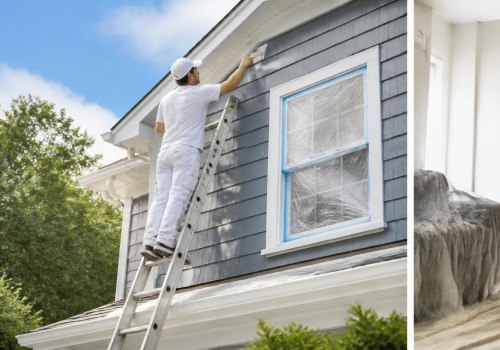
Exterior painting projects typically take longer due to additional preparation and environmental factors. On average, a Buckeye residential painter may need anywhere from three days to a week to complete an exterior job. Key considerations include:- Surface preparation: This may involve power washing, scraping old paint, and repairing surfaces.
- Weather conditions: Rain or extreme temperatures can delay progress.
- Size of the home: Larger homes naturally require more time to paint.
Average Time for Residential Painting Jobs
The overall timeframe for residential painting jobs can vary widely based on the scope of work. For instance, a full interior repaint of a medium-sized home might take about one to two weeks, while a complete exterior repaint could take up to two weeks or more.Homeowners should consult with their chosen Buckeye residential painter for a detailed estimate tailored to their specific project needs.
The Role of Professional Buckeye Painters in Job Duration
When considering the duration of a painting job, the expertise of a Buckeye residential painter plays a crucial role. Professional painters bring a wealth of experience and specialized skills that can significantly reduce the time required to complete a project.Benefits of Hiring Professional Painters
- Efficiency: Professional painters are trained to work quickly and effectively. They understand the best practices for preparing surfaces, applying paint, and ensuring a smooth finish.
- Quality Tools: Equipped with high-quality tools and equipment, professionals can achieve better results in less time compared to DIY efforts.
- Teamwork: Many painting jobs are completed by teams of professionals, allowing for multiple areas to be painted simultaneously, which speeds up the overall process.
How Professionals Speed Up Painting Jobs
A Buckeye residential painter typically follows a systematic approach that enhances efficiency:
- Preparation: This includes cleaning surfaces, repairing any damage, and applying primer if necessary. Professionals know how to prepare efficiently to minimize delays.
- Application Techniques: Skilled painters use advanced techniques such as spraying or rolling that can cover large areas quickly while maintaining quality.
- Drying Times: Professionals are knowledgeable about drying times and can plan their work schedule accordingly to avoid unnecessary waiting periods.
Buckeye Painter Efficiency
The efficiency of a professional painter not only affects the speed of the job but also its overall quality.
By hiring a Buckeye residential painter, homeowners can expect a faster turnaround without compromising on the finish. This means less disruption in their daily lives and quicker enjoyment of their newly painted spaces.
Common Challenges That Can Extend Painting Timelines
When hiring a Buckeye residential painter, homeowners should be aware that various challenges can arise, potentially extending the timeline of a painting project. Understanding these common issues can help in planning and managing expectations.Weather Conditions
One of the most significant factors affecting painting timelines is the weather. Rain, high humidity, or extreme temperatures can hinder the drying process and may force painters to pause work.For exterior jobs, it’s crucial to monitor the forecast closely, as unexpected weather changes can lead to delays.
Surface Preparation
Proper surface preparation is essential for a successful paint job. If the walls or surfaces require extensive cleaning, patching, or sanding, this can add considerable time to the project. Homeowners should be prepared for the possibility that their surfaces may need more work than initially anticipated.Material Availability
Another challenge that can extend timelines is the availability of materials. If a specific paint color or type is out of stock, it may take additional time to source the necessary supplies.Homeowners should discuss material options with their Buckeye residential painter to ensure they have everything needed before starting.
Unexpected Repairs
During the painting process, unforeseen issues such as mold, water damage, or structural problems may be discovered. Addressing these repairs is crucial before proceeding with painting but can significantly delay the project timeline.Labor Shortages
The availability of skilled labor can also impact how quickly a job is completed. If a Buckeye residential painter is short-staffed or dealing with scheduling conflicts, this could lead to longer wait times for project completion. By being aware of these potential challenges, homeowners can better prepare for their painting projects and work closely with their chosen Buckeye residential painter to navigate any issues that may arise.Tips for Homeowners to Expedite Their Painting Projects
When preparing for a painting project with a Buckeye residential painter, homeowners can take several steps to ensure the process is as efficient as possible. Here are some actionable tips to help expedite your painting project:- Clear the Area: Before the painter arrives, remove any furniture, decorations, and wall hangings from the rooms being painted.
This not only provides a clear workspace but also protects your belongings from paint splatters.
- Repair Walls: Inspect your walls for any cracks, holes, or imperfections. Filling these in before the painter arrives can save time and ensure a smoother finish.
- Select Paint Colors in Advance: Choosing your paint colors ahead of time can prevent delays. Consider getting samples and testing them on your walls to see how they look in different lighting.
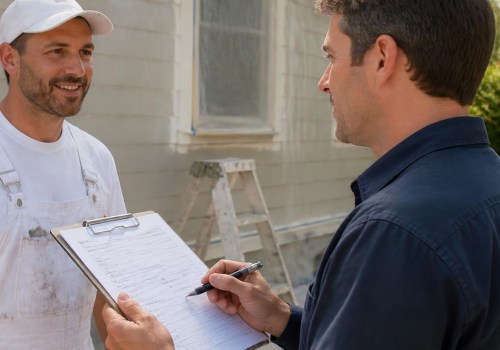
- Communicate Clearly: Discuss your expectations and any specific requirements with your Buckeye residential painter. Clear communication can help avoid misunderstandings and ensure that the project runs smoothly.
- Plan for Accessibility: Ensure that the painter has easy access to all areas that need painting.
This includes moving any obstacles like rugs or heavy furniture that might hinder their progress.
Frequently Asked Questions About Residential Painting Timelines
When considering a Buckeye residential painter, many homeowners have questions about the timeline for completing painting jobs. Here are some frequently asked questions that can help clarify what to expect.How long does it take to paint a room?
The time it takes to paint a room can vary significantly based on several factors, including the size of the room, the number of coats required, and the complexity of the job. On average, a Buckeye residential painter can complete painting a standard-sized room (approximately 10x12 feet) in about 4 to 6 hours. This includes preparation work such as moving furniture, taping edges, and applying primer if necessary.What affects paint drying time?
Paint drying time can be influenced by various factors:- Humidity: High humidity levels can slow down the drying process, while low humidity can speed it up.
- Temperature: Ideal temperatures for painting are between 50°F and 85°F.
Extreme temperatures can affect how quickly paint dries.
- Type of Paint: Different paints have different drying times. For example, oil-based paints typically take longer to dry than latex paints.
- Ventilation: Good airflow helps paint dry faster. Ensure windows are open or fans are running during and after application.
How long before I can use painted rooms?
After a room has been painted, it's essential to allow adequate time for the paint to cure before using the space. Generally, you should wait at least:- 1-2 hours: For light use, such as walking through the room.
- 24 hours: For normal activities like placing furniture back in the room.
- Up to 30 days: For full curing, especially if using oil-based paints or if multiple coats were applied.
Conclusion: Setting Realistic Expectations for Your Painting Project
In conclusion, understanding the timeline for your painting project is crucial for a successful outcome.A Buckeye residential painter can provide a range of estimates based on various factors, including the size of your home, the complexity of the job, and the type of paint used. By setting realistic expectations, you can ensure that your project runs smoothly and meets your aesthetic goals.Here are some key points to consider when planning your painting project:
- Project Size: Larger homes or extensive areas will naturally take longer to complete. A small room may only require a few days, while an entire house could take a week or more.
- Preparation Work: The time spent on preparation—such as cleaning, sanding, and priming—can significantly affect the overall timeline. A professional Buckeye residential painter will prioritize this step to ensure a high-quality finish.
- Weather Conditions: For exterior jobs, weather can play a critical role.
Rain or extreme temperatures can delay progress, so it’s essential to factor in local climate conditions.
- Type of Paint: The choice of paint can also influence drying times and the number of coats needed. High-quality paints may require fewer coats but could take longer to dry.